Founded in 1949, the North Atlantic Treaty Organization (NATO) was primarily aimed at containing Soviet expansionism and fostering European political integration. This politico-military organization serves as the core of the Western bloc.
Today, amid heightened tensions with Russia, NATO comprises 32 countries from Europe and North America, with collective defense as its primary mission. This principle dictates that an attack against one or more of its members is considered an attack against all.
Traditionally the largest component, land forces are essential to maintaining the Alliance’s credibility. The commitment made by each member nation to allocate at least 2% of its GDP to defense has triggered a significant strengthening of land-based military capabilities.
These increasingly powerful, modern, and interoperable assets enable each nation’s military to meet the requirements of collective defense.
Through their sustained presence and logistical footprint, land forces act as the ultimate bulwark for securing a given territory. They are the primary instrument for providing a physical demonstration of a nation’s resolve to engage.
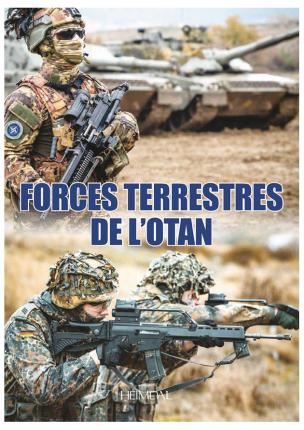
This richly illustrated, 140-page volume examines the land forces of every NATO member. It provides a comprehensive, country-by-country overview of the forces in place, the equipment currently in service, and key ongoing programs.
Furthermore, the book offers the reader concise economic and military data based on essential criteria, allowing for a clear comparison of each member state relative to the others. Written by three colonels from the French Army’s operational reserve, this work will serve as a reference, a practical tool, and a basis for reflection for all those concerned with or interested in issues of defense and security—including professionals, academics, researchers, journalists, and ordinary citizens alike.