

Attention : Ce produit est un contenu numérique.
- Accès : Il est uniquement consultable depuis votre Espace Personnel sur notre plateforme.
- Téléchargement : Le produit est non téléchargeable, pour garantir le droit d'auteur, aucun fichier ne pourra être sauvegardé sur votre appareil.
Digital version of this book
Once the war ended, the Messageries Maritimes gradually regained control of the ocean liners that had survived the conflict and began restoring scuttled vessels deemed repairable.
About a dozen liners were progressively returned to service on major commercial routes and to support the expeditionary corps deployed in Indochina. Some of these units (Felix Roussel, Maréchal Joffre, Champollion, etc.) were rebuilt and modernized; others continued their "austerity service," providing logistical support to armies engaged in various overseas operations.
This heterogeneous fleet was first bolstered by La Marseillaise, which was finally completed after ten years of setbacks. Then, between 1952 and 1954, nine superb liners from the fleet reconstruction program finally became available: the three Viet Nam-class ships, the four La Bourdonnais-class ships, and the two Calédonien-class ships.
Over the years, a few more units were chartered or transferred from other shipping lines. In 1966, the Pasteur entered service—it would be the last ocean liner built for Messageries Maritimes.
However, major geopolitical shifts and the arrival of long-range aircraft called everything into question. Recent vessels were retired prematurely, and by the early 1970s, the Messageries Maritimes passenger service was permanently discontinued. The final liners were sold to foreign companies, which often continued to operate them for many years.
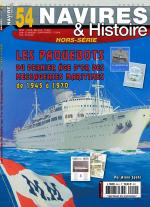
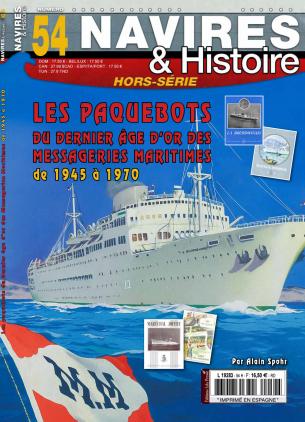
This Special Issue (Hors-Série) is dedicated to the history of these ships, from the immediate post-war period to the end of their careers under various flags.